

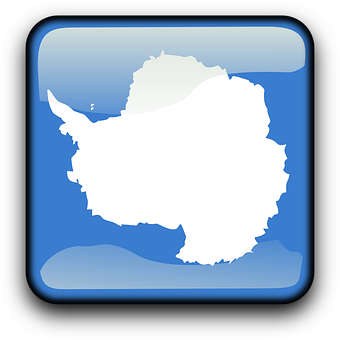
Le continent antarctique, jusqu’ici terre préservée, consacrée à la recherche, n’appartenait à aucune nation, d’un commun accord entre toutes.
Certes, les zones côtières étaient lieux de pêche et de tourisme (en nette évolution), l’exploitation des icebergs comme source d’eau douce est en gestation, mais le continent lui-même était laissé aux scientifiques.
Or, avec le réchauffement climatique, la calotte polaire disparaît peu à peu et le sol regorge de minéraux mais surtout de pétrole.
Cela attise les convoitises. Le traité de 1991 est remis en question. Chacun revendique le droit à exploitation. Ce fût d’abord au large, puis dans les eaux territoriales. Maintenant, c’est sur terre que les nations les plus consommatrices de pétrole et de gaz ou les plus limitrophes remettent en cause le traité et s’installent sous prétexte de recherche scientifique (forages d’exploration). Dernièrement, clash à l’ONU.
Lorsqu’un intérêt économique est là, les vieux démons humains réapparaissent et le remplacement des énergies fossiles est vite oublié.
RENE JUSVEL
Tension on Antarctica
The Antarctic continent, heretofore a preserved land, devoted to research, did not belong to any nation, by common accord.
While coastal areas were fishing grounds and tourism (in sharp evolution), the exploitation of icebergs as a source of fresh water is in progress, but the continent itself was left to scientists.
However, with global warming, the polar cap disappears little by little and the ground is full of minerals but especially oil.
It stirs up greed. The 1991 treaty is in question. Everyone claims the right to exploitation. It was first off, then in the territorial waters. Now, it is on earth that the nations most consuming oil and gas or the most contiguous question the treaty and settle under the pretext of scientific research (exploration drilling). Lately, clash at the UN.
When an economic interest is there, the old human demons reappear and the replacement of fossil fuels is quickly forgotten.


